alex_bruno53
Atlantic City Blackjack Rules Explained For Australian Players
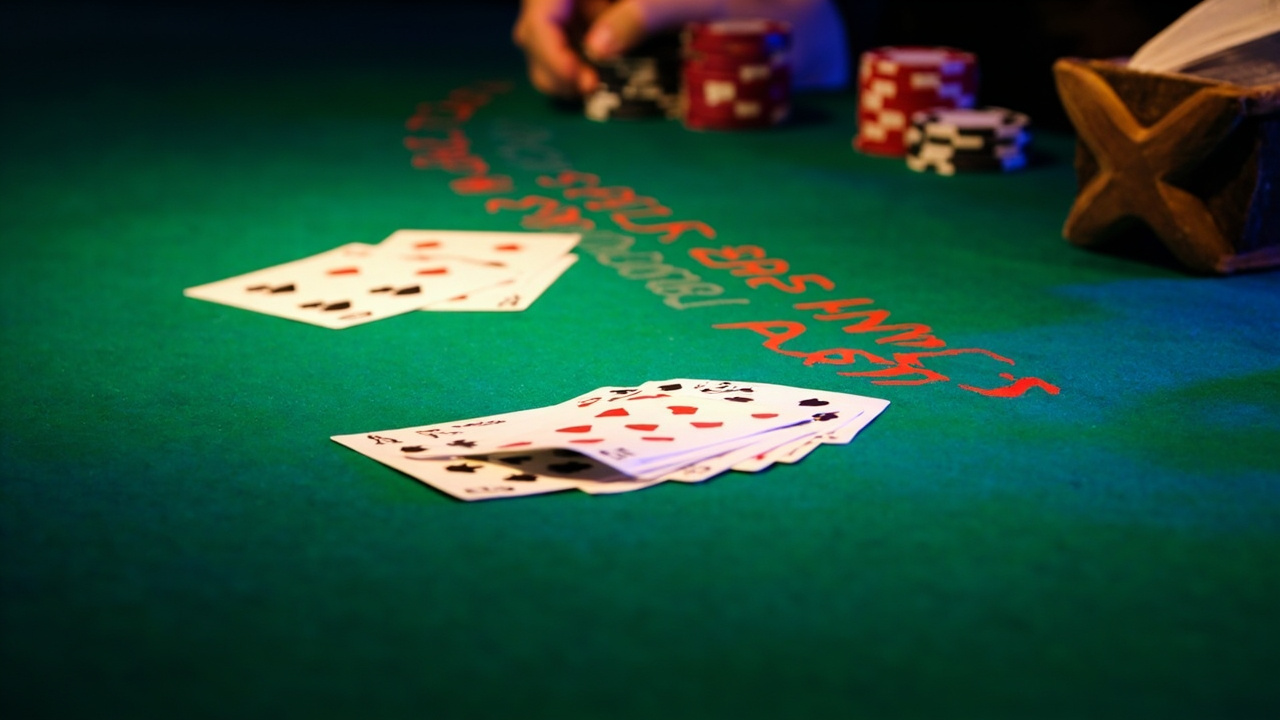
Walking onto a casino floor feels like stepping onto a packed Melbourne tram at peak hour, every passenger jostling for position. Atlantic City blackjack rules sit somewhere in that same crowded space, with a few local quirks that change how the hand plays out. For Australians keen on table games, understanding those details matters before you commit any bankroll.
Basic Table Setup And Card Values
The shoe holds multiple decks, usually six or eight, and the dealer stands on soft 17 under standard Atlantic City blackjack rules. That soft 17 detail shifts the odds slightly compared to a dealer who hits, so it is worth checking the table placard before you sit down. Card values follow the usual pattern, with picture cards counting as ten and aces flexible between one and eleven. The position you choose at the table matters too, because early positions see more action before the dealer turns over their hole card. When you are scanning options online, you might compare that table layout against the way a slot like zeus gates of olympus presents its paylines, since both rely on clear visual hierarchy. Regional Queensland venues often run single-deck games on weekends, which changes the penetration and the counting potential for sharp players. The key is to treat each table as its own environment rather than assuming every setup runs the same way.
Betting Structure And Payouts
Betting limits vary widely, from low-stakes tables suited to casual play through to high-limit rooms where the minimums climb quickly. Atlantic City blackjack rules typically allow doubling down on any two cards, which opens up more aggressive play than the restricted doubling you see in some European variants. Splitting pairs is usually permitted up to three times, and re-splitting aces depends on the specific house policy printed on the felt. Payouts for a natural blackjack commonly sit at three to two, though some promotional tables push that to six to five, which is a costly difference over a long session. You should treat a six-to-five table the same way you would treat a delayed Sydney train, frustrating and best avoided if you have a better option nearby. Managing your bet sizing across hands keeps the session sustainable, especially when the shoe runs cold and the variance bites.
Player Decisions And Dealer Rules
Your options on each hand include hitting, standing, doubling, splitting, and sometimes surrender, depending on the table. Atlantic City blackjack rules generally allow late surrender, which lets you fold a poor hand after the dealer checks for blackjack and reclaim half your stake. That surrender option is a genuine safety valve, but it only helps if you recognise the lousy combinations quickly rather than hoping for a miracle card. The dealer must draw to seventeen and stand on eighteen or higher, which creates a predictable rhythm you can plan around. If you have ever queued at a Bunnings sausage sizzle on a Saturday, you know the value of patience and reading the flow before you commit, and the same mindset applies when you decide whether to hit a soft sixteen. Some tables restrict doubling after splits, so a quick glance at the signage saves you from a costly misread. The dealer’s fixed rules remove some of the guesswork, but your decisions still drive the result.
Online Presentation And Player Experience
When these tables move online, the presentation carries as much weight as the mechanics, and that is where a Playtech art-direction perspective becomes useful. Clear card rendering, readable chip stacks, and a layout that does not crowd the action make the difference between a smooth session and a muddy one. Atlantic City blackjack rules translate well to digital tables because the core mechanics are stable, so the visual layer should reinforce rather than distract from the hand. A designer who understands player-facing design will keep the hit and stand buttons distinct, show the dealer’s hole card only when appropriate, and avoid animations that slow down the pace. The best online versions feel like a well-tuned interface rather than a gimmick, with the rules visible on demand and the betting controls easy to reach on mobile. If you are comparing table games against a slot session, the contrast is obvious, because a slot leans on motion and symbols while a blackjack table leans on clarity and timing. That distinction matters when you are choosing where to spend your time. zeus gates of olympus
Glossary
- Soft 17: a hand totalling 17 that includes an ace counted as 11.
- Late surrender: folding a hand after the dealer checks for blackjack to recover half the stake.
- Natural blackjack: an ace plus a ten-value card on the initial deal.
- Penetration: how far into the shoe the dealer deals before shuffling.
Choosing a table with clear rules and sensible limits keeps the session focused, and the same discipline applies whether you are at a land-based floor or a digital table. The details above should help you read the setup before you put chips in play.